


Hello everyone,
It’s been nearly a month since my last article. The pace of innovation in UX and AI has been relentless, and keeping up with the latest developments while crafting thoughtful commentary has been a challenge. But I’m back, and I’ve compiled the most significant advancements shaping our field.

Google’s AI Mode and Project Mariner: Redefining Search and Task Automation
At the recent Google I/O 2025 conference, Google introduced “AI Mode” in Search—a transformative shift from traditional keyword-based queries to a more conversational, AI-driven experience. Powered by Gemini 2.0, AI Mode utilizes a “query fanout” technique, breaking down complex questions into multiple sub-queries, executing them simultaneously, and synthesizing the results into coherent responses.
Complementing AI Mode is Project Mariner, an AI agent capable of autonomously navigating the web to perform tasks such as booking tickets or compiling shopping lists. This agent operates within the browser, streamlining workflows and reducing the need for manual navigation.

Image: Google’s AI Mode interface in action.
Android XR Glasses: Merging Augmented Reality with Everyday Life
Google’s collaboration with Samsung, Warby Parker, and Gentle Monster has led to the development of Android XR smart glasses. These glasses integrate Gemini AI to provide real-time assistance, including navigation overlays, object recognition, and language translation. The design emphasizes fashion and functionality, aiming for mainstream adoption.
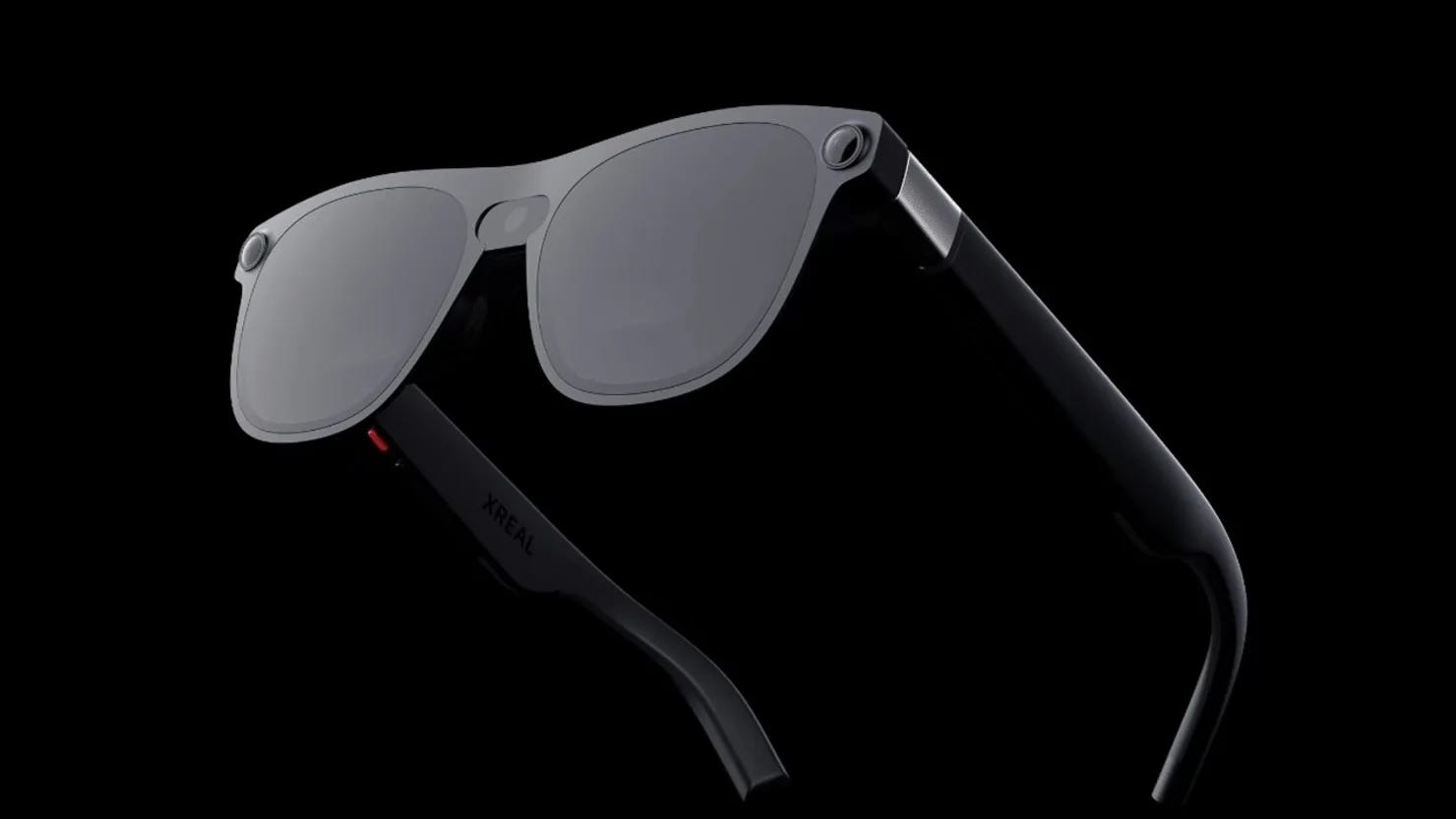
Image: Android XR Glasses powered by Gemini AI.
Apple’s On-Device AI: Prioritizing Privacy and Performance
Apple has unveiled its Foundation Models, designed to run efficiently on-device, ensuring user privacy and swift performance. These models, trained using Apple’s AXLearn framework, power features like personalized suggestions and natural language processing across Apple devices.
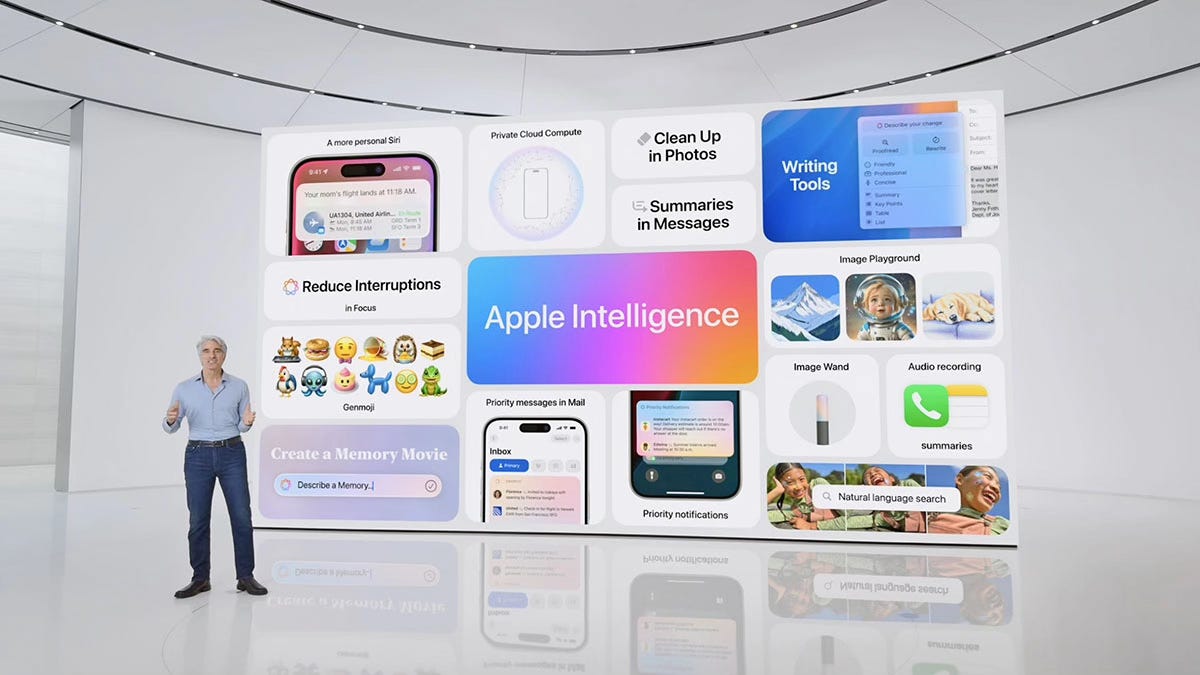
Image: Apple’s On-Device AI architecture.
UX Trends 2025: Navigating the AI-Driven Design Landscape
The integration of AI into UX design is reshaping the field. Key trends include:
Hyper-Personalization: AI analyzes user behavior to tailor interfaces in real-time.
Conversational Interfaces: Voice and chat-based interactions are becoming more intuitive, reducing reliance on traditional navigation.
Ethical Design: As AI takes on more decision-making roles, designers are emphasizing transparency and user control.